REACH Medical to introduce new women’s health offerings with late county funding
ITHACA, N.Y. — Thanks to a last-second influx of budget funding, REACH Medical will receive an ultrasound machine and associated training through Tompkins County, allowing the local healthcare clinic to expand its suite of women’s healthcare offerings.
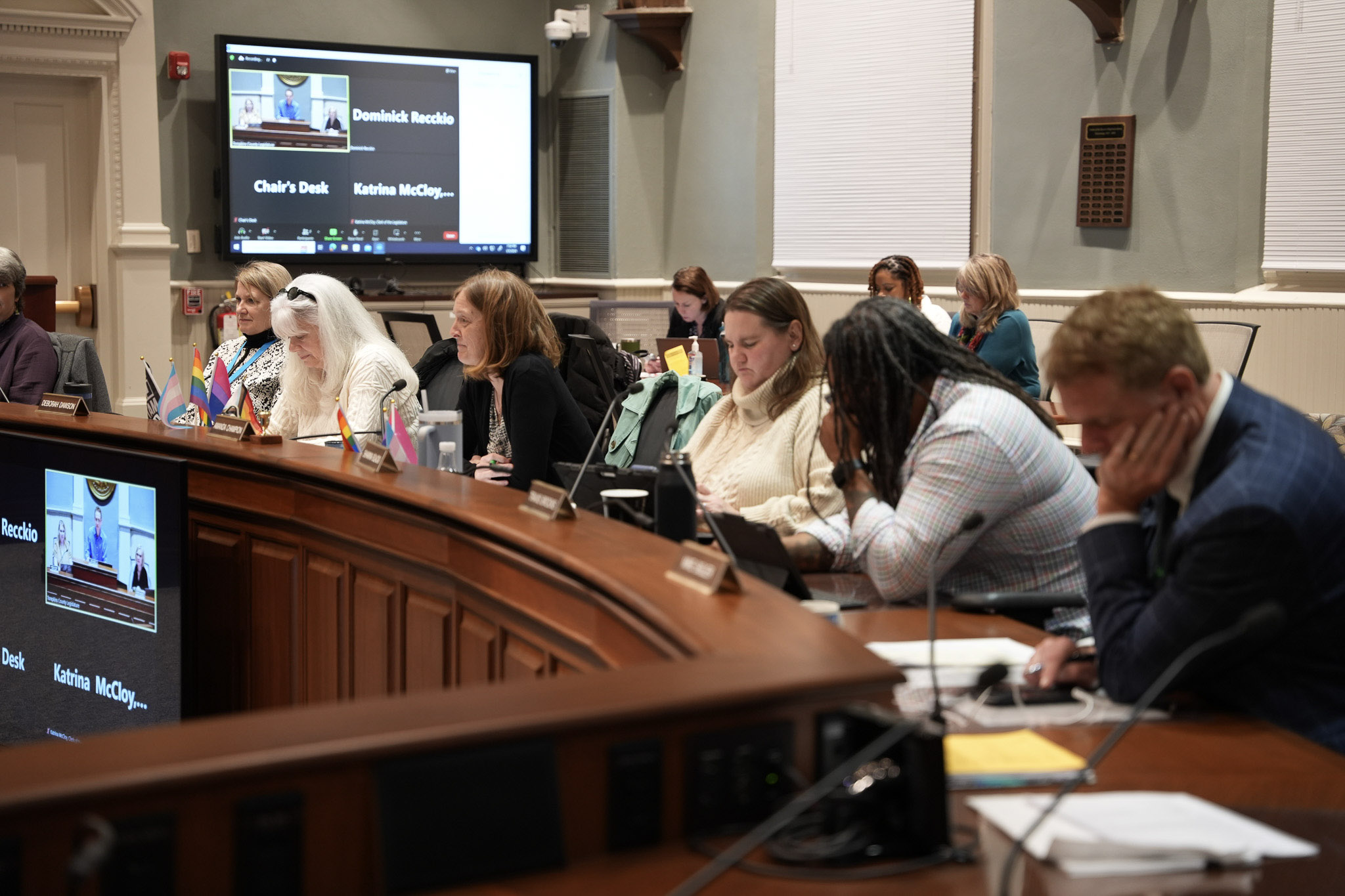
The funding was awarded during the final moments of the county’s budget process in November.
The legislature had already allocated $500,000 in response to a request from Tompkins Consolidated Area Transit (TCAT) leaders for a funding increase, but members were informed that Cornell had agreed to an increase of only $280,000 instead of TCAT’s full request of $500,000. Since the agency’s underwriters — the county, the City of Ithaca and Cornell — all must contribute the same amount of money each year, the county had to reduce its contribution to a matching $280,000. That left the county with $220,000 left over from their initial TCAT contribution allocation.
That allowed county legislators to grant funding for several more projects that had requested budget allocations but been rejected, including $95,000 for REACH’s ultrasound machine. Cornell Cooperative Extension and Opportunities, Alternatives and Resources for its College Initiative Upstate and Endeavor House programs.
Director of Operations Samantha Stevenson said the money would cover the purchase of one machine and training for certain staff to use the machine. She said the service is reimbursable for REACH, so it should not require any future monetary support from the county.
“The ultrasound machine will allow us to […] introduce a new department in women’s health, which is really important, especially for people that face barriers from transportation or insurance, this will help with that,” Stevenson said.
Stevenson said the machine would also provide REACH with the ability to perform scans for other acute medical needs, like abdominal pain, which will hopefully work to detect health emergencies before they happen. Stevenson said the device would bridge an important gap she often sees in the patient population that REACH typically serves — usually people with lower income and more barriers to receiving healthcare.
“Our patient population faces many barriers to care and do not tend to get routine mammograms, so an ultrasound machine will be a vital part of their care,” Stevenson said. “It is a better option for our served patients because it can facilitate more imaging needs. We will have a full maternal health program with the addition of this machine, which will offer a vital service to our community.”
Stevenson added that the introduction of the ultrasound machine would also open other avenues for REACH’s women’s health efforts. She emphasized pre-natal care as one focus of future initiatives, with others potentially on the horizon as well.
“There’s a lot of known gaps in the world of pre-natal care for women, especially marginalized women, so we’re really invested in filling that gap,” Stevenson said. “We’re also looking into long-acting reversible contraceptives, like IUDs, to offer in-house in our clinic.”
There are other ultrasound options available in Ithaca, though there are fewer options for people who do not have health insurance.
Discussion during the meeting centered on the machine’s breast cancer detection capabilities. Legislator Travis Brooks lamented the lack of easier access to mammograms that had resulted from the dwindling presence of Guthrie’s mobile mammogram program. The mammogram van used to make periodic visits to the area, commonly held at the Southside Community Center and the Greater Ithaca Activities Center, but has been to Ithaca far less frequently in the last few years.
More stories like this
link