Maternal and Infant Health for the Women of Burkina Faso
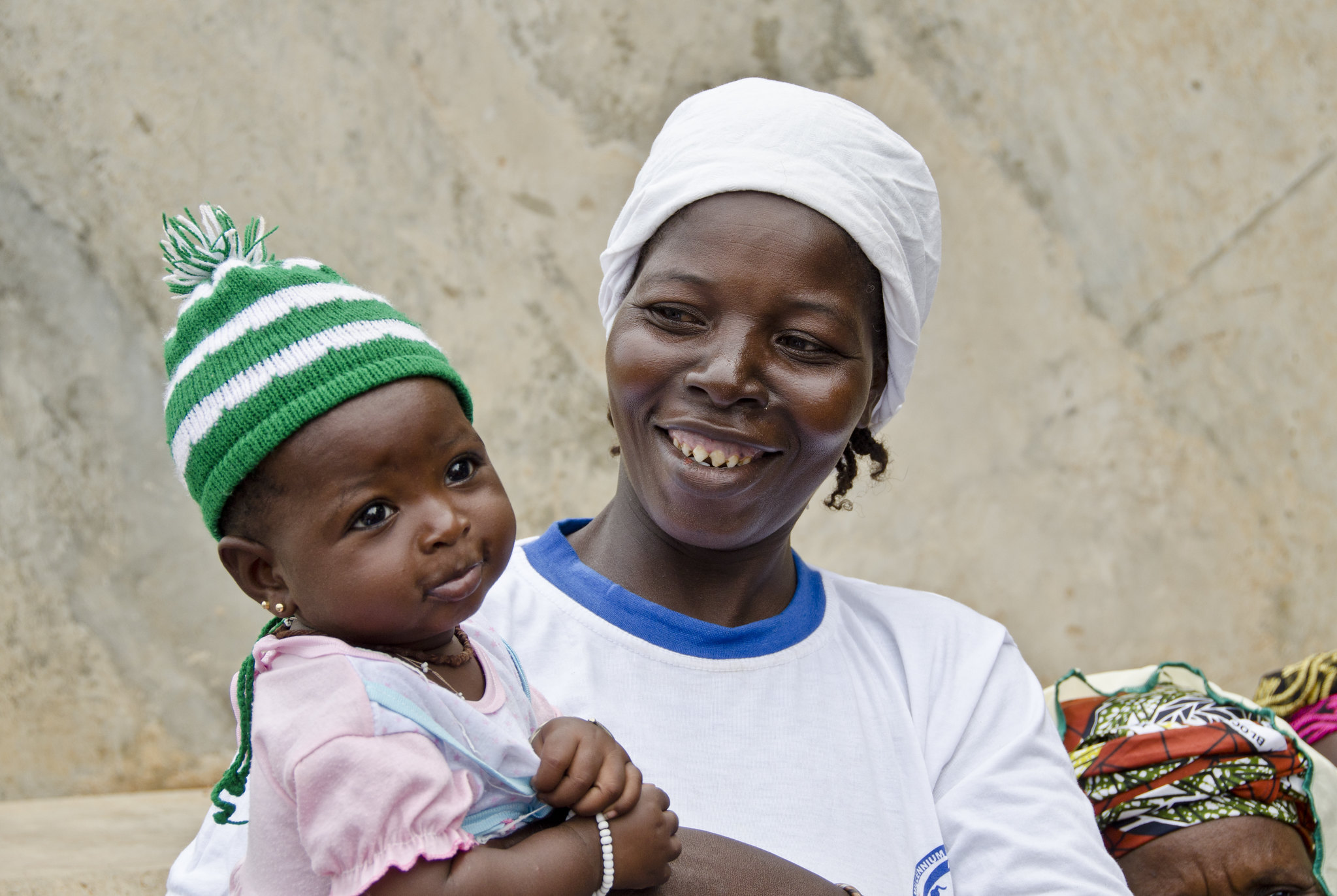
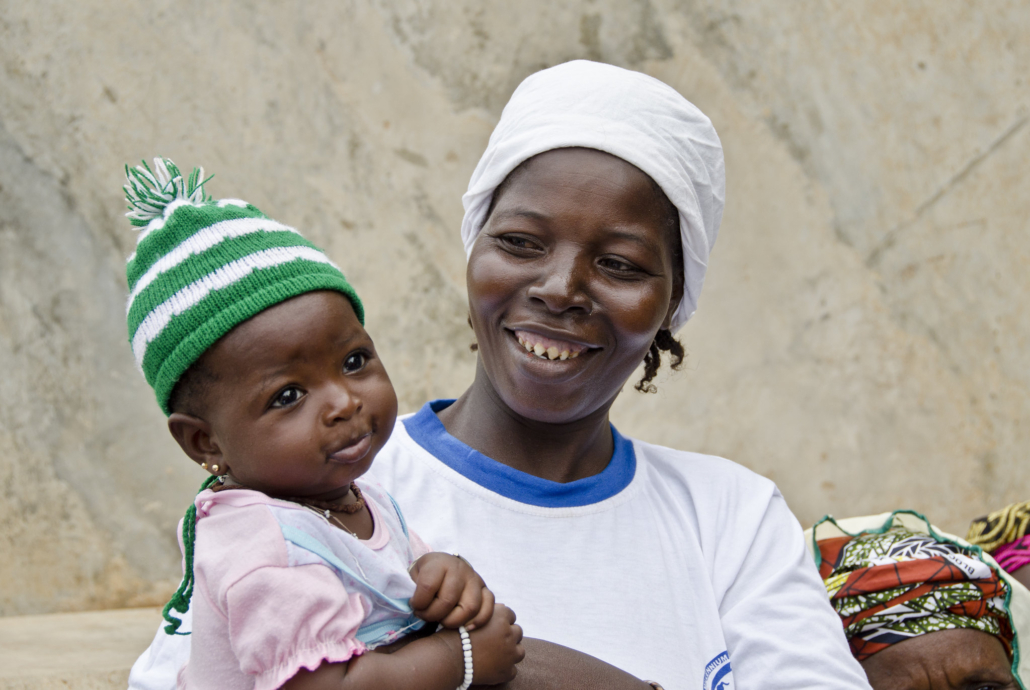 Burkina Faso, a country in West Africa with a population of more than 23 million, has long faced deep-rooted gender inequalities. The women of Burkina Faso, who make up roughly half of the population, have historically faced significant disparities in education and economic opportunity. These barriers have limited their ability to meet essential reproductive health needs, which are directly tied to maternal and infant well-being. While access to maternal and infant health services has not always been readily available, recent years have brought promising improvements that offer hope for continued progress.
Confronting Health Barriers
One of the leading causes of death in Burkina Faso is complications from preterm births — a challenge not unique to this West African nation, but one that poses a serious threat to mothers and babies alike. Several factors contribute to this problem among the women of Burkina Faso, including limited access to prenatal and general health care, young maternal age and a lack of basic information about pregnancy and its risks.
Traditional norms also play a major role in family planning. A cultural preference for large families often leads to short intervals between births, increasing the risk of health complications for the women of Burkina Faso.
Shortage of Skilled Maternal Health Professionals
Burkina Faso faces a shortage of obstetricians and midwives, leaving 63% of women without their maternal health care needs fully met. While West Africa has the highest concentration of nursing and midwifery personnel per 10,000 people on the continent, the region still ranks among the lowest in the world. Burkina Faso has 10.3 nurses and midwives per 10,000 people, compared with 82 per 10,000 in Chile, a country in South America with a similar population size.
To close this gap, several initiatives are underway to expand the pool of qualified maternal health providers. Indeed, four years ago, the Ministry of Health launched a pilot program to train midwives in basic obstetric ultrasound during prenatal consultations. The program targeted eight remote districts and proved highly successful: women no longer had to travel long distances for ultrasounds and midwives could detect and monitor high-risk pregnancies earlier. Building on this success, the Ministry of Health and the WHO plan to expand the program nationwide so that ultrasounds become a routine service for all pregnant women.
Improving Breastfeeding Rates
Currently, 51% of mothers in Burkina Faso exclusively breastfeed during the first six months of their infant’s life. The World Health Organization (WHO) has set a 2030 target of 60%. Although Burkina Faso still has progress to make, it has shown impressive gains over the past 12 years: in 2012, only 38% of infants aged 0–5 months were exclusively breastfed. This is a remarkable achievement and with continued government support and strong advocacy efforts, the country is well-positioned to reach the 60% target within the next five years.
Looking Forward
Social and economic barriers remain, but the women of Burkina Faso are taking meaningful steps toward a more informed approach to family planning and improved access to pre- and postnatal care. With support from local governments and non-governmental organizations, access to family planning services has expanded significantly across West Africa over the past decade.
The Ouagadougou Partnership – which brings together Benin, Burkina Faso, Cameroon, Côte d’Ivoire, Guinea, Mali, Mauritania, Niger, Senegal and Togo – illustrates how regional cooperation can accelerate progress. Through this partnership, participating countries have implemented national plans to strengthen community engagement and enhance the availability and quality of reproductive health care.
Other initiatives like the WHO’s comprehensive implementation plan on maternal, infant and young child nutrition have also contributed to significant improvements in breastfeeding practices. Burkina Faso is a strong example of an African country that has not only adopted this plan but sustained its commitment over time. By prioritizing funding and expanding access to breastfeeding support programs, more than half of new mothers are now able to provide adequate nutrition for their infants.
Burkina Faso’s population is projected to grow rapidly by 2050, underscoring the need to expand access to family planning and safe maternal and infant care. Continued investment in education, community outreach and health care infrastructure will be essential. By promoting local engagement, professional development of qualified health workers and ensuring that women have access to affordable, high-quality medical consultations, the government and its partners can help build a healthier, more sustainable future for the women of Burkina Faso and their families.
– Fernanda Nilson
Fernanda is based in North Charleston, SC, USA and focuses on Good News and Global Health for The Borgen Project.
Photo: Flickr
link