Black Infant Health Program: Pasadena supports Black mothers, aims to tackle racial disparities | Feature Stories
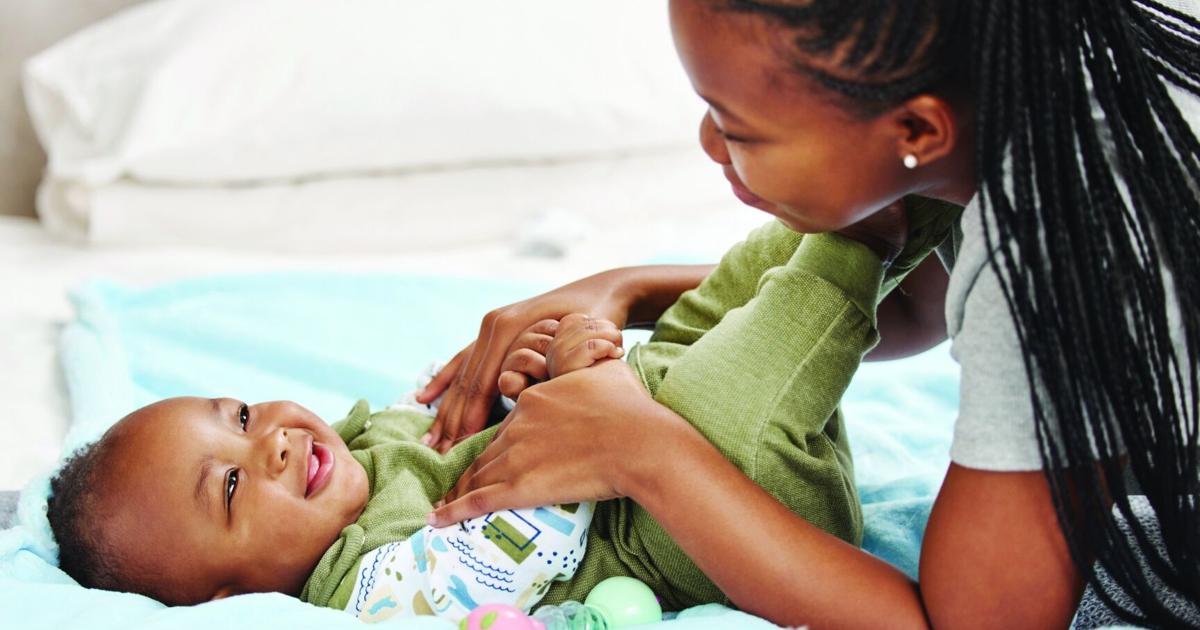
Black women in the United States are significantly more likely to have preterm births and babies with low birth weight, reflecting longstanding racial disparities in maternal and infant health, according to the Centers for Disease Control and Prevention. To address those disparities locally, the City of Pasadena offers its Black Infant Health program, which provides culturally supportive services aimed at improving health and social conditions for Black women and their families.
The program was established in Pasadena in 1993 as part of a statewide initiative that began in 1989. It offers case management and weekly group meetings, with each session focused on a specific topic related to pregnancy, postpartum care and overall well-being.
“We honor the history and the experiences of Black women,” said Stella Clingmon, maternal, child and adolescent health director for the Pasadena Public Health Department. “We create supportive environments where participants can build trust as well as community. This really matters, because often the traditional health care system doesn’t always meet the cultural and emotional needs of Black mothers, and so that can negatively affect care engagement and outcomes.”
The Black Infant Health program includes 10 prenatal and 10 postpartum sessions meant to empower and support mothers. Topics include Cultural Heritage as a Source of Pride, Healthy Pregnancy, Labor & Delivery, Nurturing Ourselves & Our Babies, Prenatal, Postnatal & Newborn Care, Stress Management, Healthy Relationships and Celebrating Our Families.
Clingmon said mothers leave each session with a meal and an item to support themselves or their baby at no cost. Items vary based on need and may include diapers, car seats, cribs, calming kits and more.
Each session lasts about two to two and a half hours. Meetings are typically held Monday through Thursday from 8 a.m. to 5:30 p.m. and Friday from 8 a.m. to 4:30 p.m., though schedules are adjusted based on participant availability.
If a mother cannot attend during regular hours because of work or other responsibilities, staff actually work to accommodate evening or weekend sessions, Clingmon said. “So we definitely will not turn a mom away … we will do whatever we can.”
In 2025, Pasadena served more than 120 women through the program, and in the 2023-24 fiscal year, it enrolled 98 participants. Clingmon said that while an overall number is unavailable, the program has likely reached over 1,000 women since its launch.
Beyond her professional role, Clingmon has experienced the program firsthand. After earning a master’s degree in public health from the University of North Carolina at Chapel Hill in 2017, she returned to Pasadena and enrolled in the BIH program during an unexpected pregnancy. She was at a prenatal appointment when an outreach staff member approached her husband in the waiting area to discuss the program, she explained.
“As soon as I went to the first session, I knew this was what I was missing,” she said. “It really helped me find a social support system … it helped me learn how to manage the daily stresses that might come, and so that was wonderful.”
She recalled receiving small but meaningful items, including baby lotion, diapers and a mindfulness coloring book. Clingmon explained that the program aims to reduce racial disparities in maternal and infant health. The goal is to ensure race does not predict a person’s chance of a healthy birth or a child’s survival through the first year of life, she added.
“We know that oftentimes income is not a protective factor when it comes to birth outcomes for Black women; we see that some Black women with a college degree will have worse birth outcomes than a white woman with a high school diploma,” she said. “We know that having targeted programs like these really do matter and really help to move the needle.”
The program is funded by the California Department of Public Health’s Maternal, Child and Adolescent Health Division and serves families throughout the San Gabriel Valley. They work with different organizations like Huntington Health, the African American Infant and Maternal Mortality Initiative and Elizabeth House to provide support to mothers. Additionally, they partner with Kappa Alpha Psi for an annual donation drive that is held every December.
Participation in the program has led to a decrease in food insecurity, lack of social support and depressive symptoms among participants, Clingmon said. A statewide evaluation from 2015 and 2018 found a 35% decrease in depression, a reduction in smoking during pregnancy and increased use of stress management techniques among participants, along with improved adoption of safe sleep practices for infants.
The program’s prenatal sessions are open to women who are up to 26 weeks pregnant, while postpartum sessions are open to mothers with babies 6 months or younger. Participants must be at least 18 years old. Applicants can enroll through the program’s website and typically receive a response within a month.
“The Pasadena program really exists because experts recognize that race-based health inequities are real, and they’re persistent and they have been for 30 years, and we’re still seeing that persistence, and simply expanding standard prenatal care alone has not eliminated them,” she said. “So this program offers intentional, culturally affirming services. We honor the history and the experiences of Black women … we create supportive environments where participants can build trust as well as community.”
link