A Closer Look | Georgia expands postpartum visits fighting maternal mortality
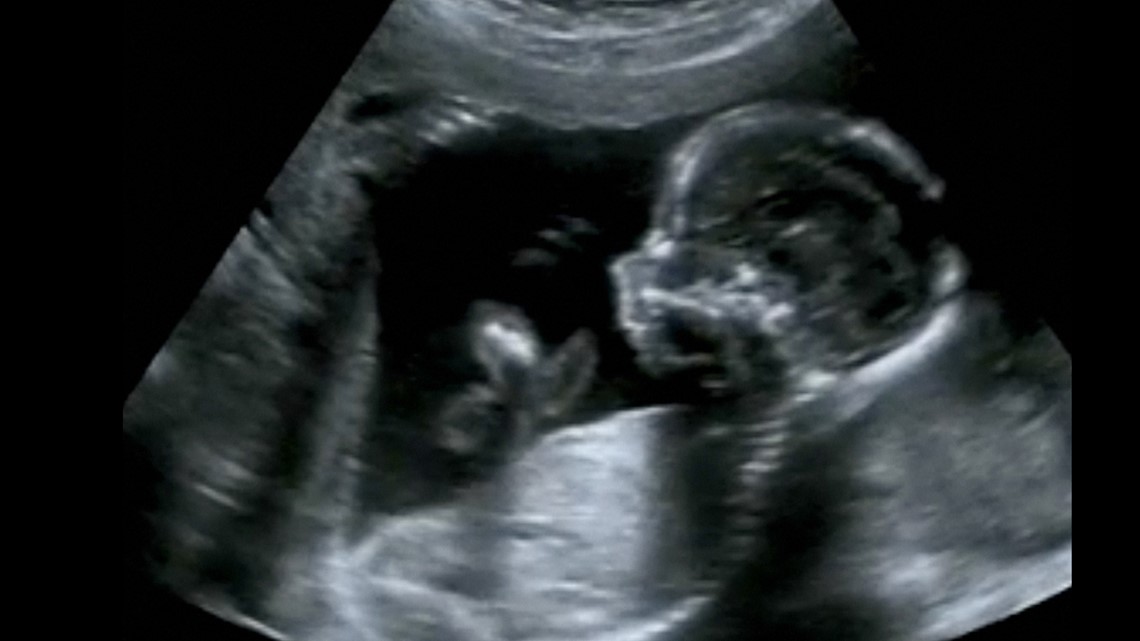
With new funding, Georgia’s home health program for postpartum mothers is growing, offering life-saving care to those most at risk.
ATLANTA — A Georgia state program providing in-home care for new mothers is expanding in hopes of lowering the state’s high maternal mortality rate.
The Perinatal Home Visiting Pilot Program, launched in 2023, has received an additional $3 million in funding, allowing it to extend services to 75 counties.
RELATED: Georgia to launch new home visit pilot program to address maternal and infant health
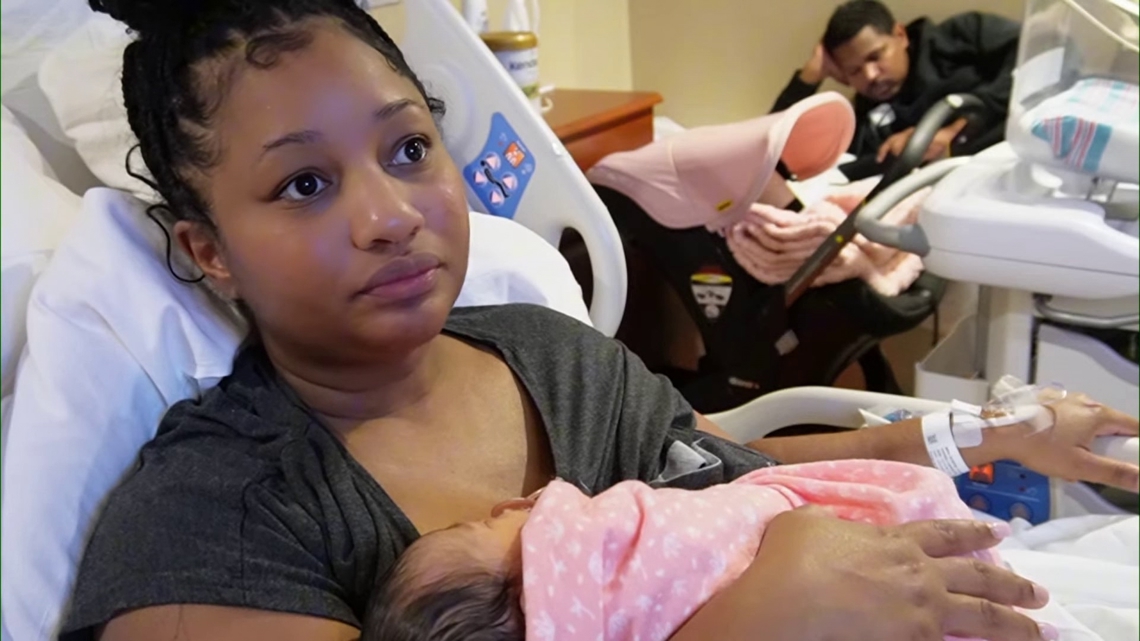
For mothers like Tae Rene, who suffered from postpartum pre-eclampsia, access to such a program could have been life-saving.
‘A mission to save my life’ | A terrifying birth
For many mothers, leaving the hospital with their newborn is a joyous occasion. But for Rene, the experience turned into a life-threatening emergency.
“What was supposed to be a beautiful welcome home for me and my baby girl quickly turned into a mission to save my life,” Rene said.
She recalled feeling off after being discharged. When she checked her blood pressure, it was dangerously high.
“It was through the roof,” she said.
Within hours, she was back in the hospital, diagnosed with postpartum pre-eclampsia, a serious condition that can cause strokes, seizures, and even lead to death.

RELATED: Georgia to launch new home visit pilot program to address maternal and infant health
“I was very scared for myself, for my daughter,” she said. “I honestly did not know if it was something I would be able to live through.”
Rene had never heard of postpartum pre-eclampsia before her own experience. But she remembered a video she saw on social media a year earlier—a Black mother sharing her story of surviving postpartum pre-eclampsia.
That memory prompted her to check her blood pressure the night she returned home from the hospital.
“I follow a lot of content creator moms who share their journeys,” Rene said. “I wasn’t even pregnant at the time, but I remembered their stories.”
Because of that knowledge, she recognized the warning signs and sought medical help.
“It’s unfortunate that I had to rely on social media instead of being educated in the hospital,” Rene said. “Without that knowledge, I might not be here today.”
Her story highlights a critical gap in postpartum education—one that Georgia’s Perinatal Home Visiting Pilot Program aims to address.
RELATED: Georgia receives an F grade for maternal mortality by March of Dimes


The reality of maternal mortality in Georgia
According to the Georgia Department of Health, between 2018 and 2020:
- 113 pregnancy-related deaths were reported in Georgia.
- 101 of those deaths were preventable.
- Black women in Georgia are more than twice as likely to die from pregnancy-related complications as white women.
How Georgia’s home health program works
In response to these statistics, the state launched the Perinatal Home Visiting Pilot Program to provide in-home care before and after childbirth, especially in underserved rural areas.
Registered nurses and community health workers visit new mothers at home to provide:
✅ Blood pressure checks
✅ Glucose monitoring
✅ Fetal heart monitoring
✅ Mental health screenings
✅ Referrals to essential services like WIC, SNAP, and Medicaid
Dr. Kimberly Ross, Child Health Director at the Georgia Department of Public Health, said the program is making a difference.
“Through home visits, we can educate mothers about warning signs, monitor conditions, and ensure they receive the care they need before it’s too late,” Ross said.
In January, Gov. Brian Kemp announced additional funding to expand the program from 50 counties to 75.
“My administration has worked alongside our partners in the General Assembly over the last few years to strengthen the care we provide to new mothers,” Kemp said.
While the program is growing, officials stress that there are no income or insurance requirements—any mother who qualifies based on risk factors can receive care as long as caseloads allow.
Continued need for awareness in maternal health
Despite its expansion, awareness remains a challenge. Health leaders are working with local OB-GYNs to ensure that more women know this care is available.
“We are working on our relationships with OBs at a local level, just getting the word out about the program so that they can identify high-risk patients,” Ross said.
For Rene, knowing about postpartum risks could have changed everything.
“I think this program is imperative,” she said. “We aren’t educated enough in hospitals to know what to do when we get home. No one told me to check my blood pressure. No one told me what to look out for.”
Georgia still has 159 counties, and while expansion is promising, advocates say the ultimate goal is statewide coverage.
“There are mothers in every county who could benefit from this program,” Ross said.
For Rene, the message to new moms is clear: Know the warning signs, ask questions and advocate for your health.
“Give yourself grace. You are learning, and your baby is learning,” she said. “And don’t be afraid to ask for help.”
How to access the program
- Mothers can be referred through their OB-GYN, WIC program, or community organizations.
- Self-referrals are also accepted—visit the Georgia Department of Public Health’s website for more information.
link