She had a common condition that work wouldn’t accommodate. So she sued.

What it means to see disability as a culture (with ASL)
John Loeppky argues that seeing disability as a culture fosters connection and encourages more support for disabled people.
CBC – Regional Canada
For more than a decade, Christian “Cece” Worley’s periods were what she calls “hell on earth.”
Her symptoms started within her first few menstrual cycles at 12 years old. She would sit in agony, staring at the classroom clock and counting down the minutes until the bell rang. Her mother would give her ibuprofen to ease the pain, which Worley says helped in high-doses. But by the time she was in college, she started missing classes when the pain was so bad she couldn’t get out of bed.
She called the school’s accommodations office and was told that period cramps didn’t warrant accommodations. As her attendance continued to waver, a concerned professor told her she might have endometriosis, a chronic reproductive health condition affecting 1 in 10 women in the United States.
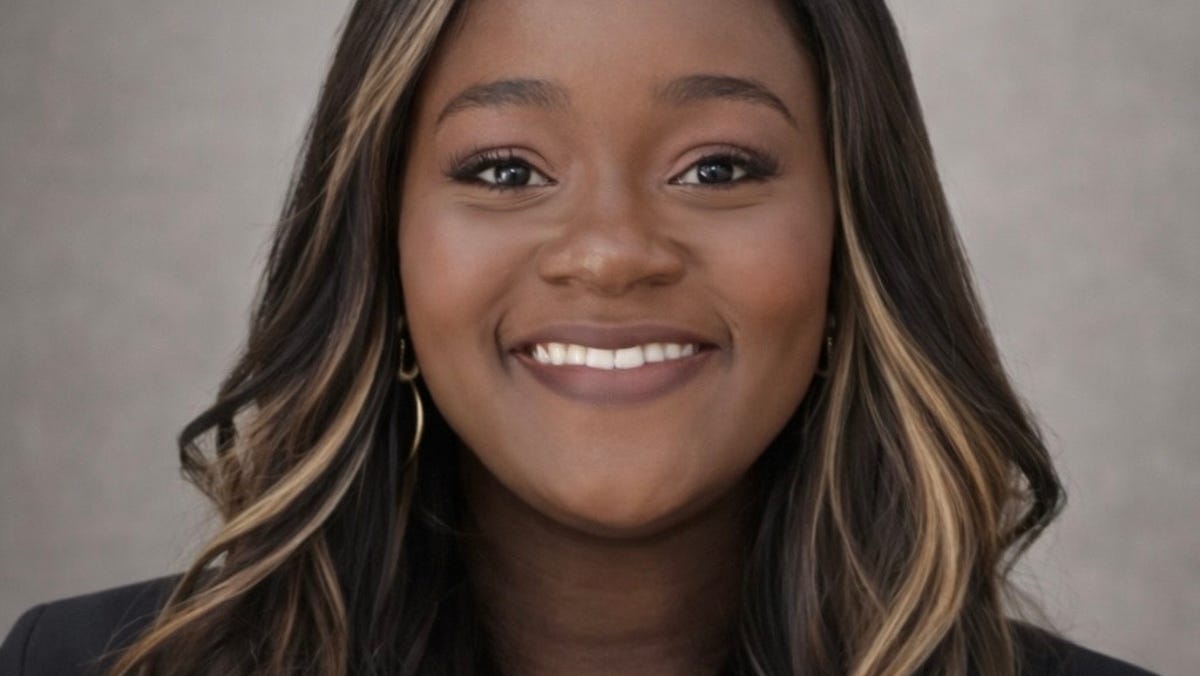
Worley had never heard of the condition before. No doctor had ever brought it up, she says. But years later, in 2025, she went on to win the first case in North Carolina to recognize endometriosis as a disability under the Americans with Disabilities Act.
Worley, now 27, reached a near six-figure settlement in her disability discrimination lawsuit against the North Carolina Department of Public Safety (NCDPS). She had been employed by the state as a Juvenile Court Counselor Trainee.
In her amended complaint, Worley alleged that NCDPS failed to accommodate her under the ADA in May 2022 after she disclosed and requested accommodations for symptoms of her endometriosis.
What is endometriosis?
Endometriosis is an inflammatory disease where tissue similar to the uterine lining grows outside of the uterus. Symptoms can include chronic pain, pelvic floor dysfunction, poor bladder health, lower back pain, pain with sex and in some cases, infertility, according to John Hopkins Medicine. It is one of the most common gynecological diseases, but women in the U.S. will suffer from symptoms of endometriosis for an average of 10 years before receiving a diagnosis.
Worley’s endometriosis went undiagnosed for years, even after her professor informed her of the symptoms. She got married at 19, and a year later, started struggling with infertility as she and her husband tried to conceive. She says she was overweight at the time and her fertility specialist focused on weight loss rather than looking into other explanations for her painful periods.
But over the course of a few months, problems at work made denying her medical issues impossible. Worley had been taking sick days for fertility appointments and had approached her employer to ask if she could work remotely on the first day of her menstrual cycle each month. Worley says her boss told her she was taking too much sick time, and that it showed “poor work ethic.” She was told that there would be “no accommodations,” she says, and that further discussion on the matter would result in “disciplinary action up to and including termination.” She was worried that she would not be promoted to Juvenile Court Counselor at the end of her two-year trainee program.
She felt like she was out of options and began to draft her resignation letter. She gave one week’s notice so that her last day would fall just before the start of her next menstrual cycle. Her last day was May 19, 2022.
She represented herself in court. The verdict surprised everyone.
Worley filed a complaint with the Department of Employment Services and initially lost.
“I felt defeated because I just felt like this institution was going to be against me, and every other institution is going to be,” she says. But she appealed her claim, and after nearly a year, she won.
She was then motivated to pursue an Equal Employment Opportunity Commission (EEOC) charge, and consulted with various lawyers who she says told her she had a losing case.
“The lawyers were saying that the law surrounding endometriosis and the ADA is not fully developed. It’s too interpretive,” she says. “So at the beginning it really did seem like a losing battle.”
But Worley decided to represent herself.
“I knew that I wasn’t alone in this fight, and I knew that there were hundreds of other women who also suffer from this,” she says. “If there was any time to be able to make a change, it could be now.”
Despite that motivation, she didn’t expect to win. The settlement was surprising, even to her. But the verdict is bigger than just her experience, she says.
It was the first ruling in North Carolina where endometriosis was recognized as an ADA disability.
“Not only does it validate hundreds of millions of women’s experiences that this pain is real, but it also gives them something to look to legally,” she says. “When they’re in HR offices, they can say, ‘Hey, this is something that can be accommodated under the ADA, so what can be done for me in my situation?'”
link