Your Health MattersMove well, live well |

October marks Bone and Joint Health Awareness Month, highlighting why maintaining strong bones and healthy joints is essential for optimizing overall quality of life. Our bones and joints provide support and enable movement for everything we do—from walking and gardening to playing with grandchildren. As we age, the health of our musculoskeletal system becomes increasingly important, not only for staying active but also for maintaining independence.
With more than half of American adults affected by issues such as arthritis and osteoporosis, it’s important to raise awareness about the prevention, management, and treatment of musculoskeletal conditions.
Common bone and joint conditions
These are the most frequently encountered musculoskeletal issues:
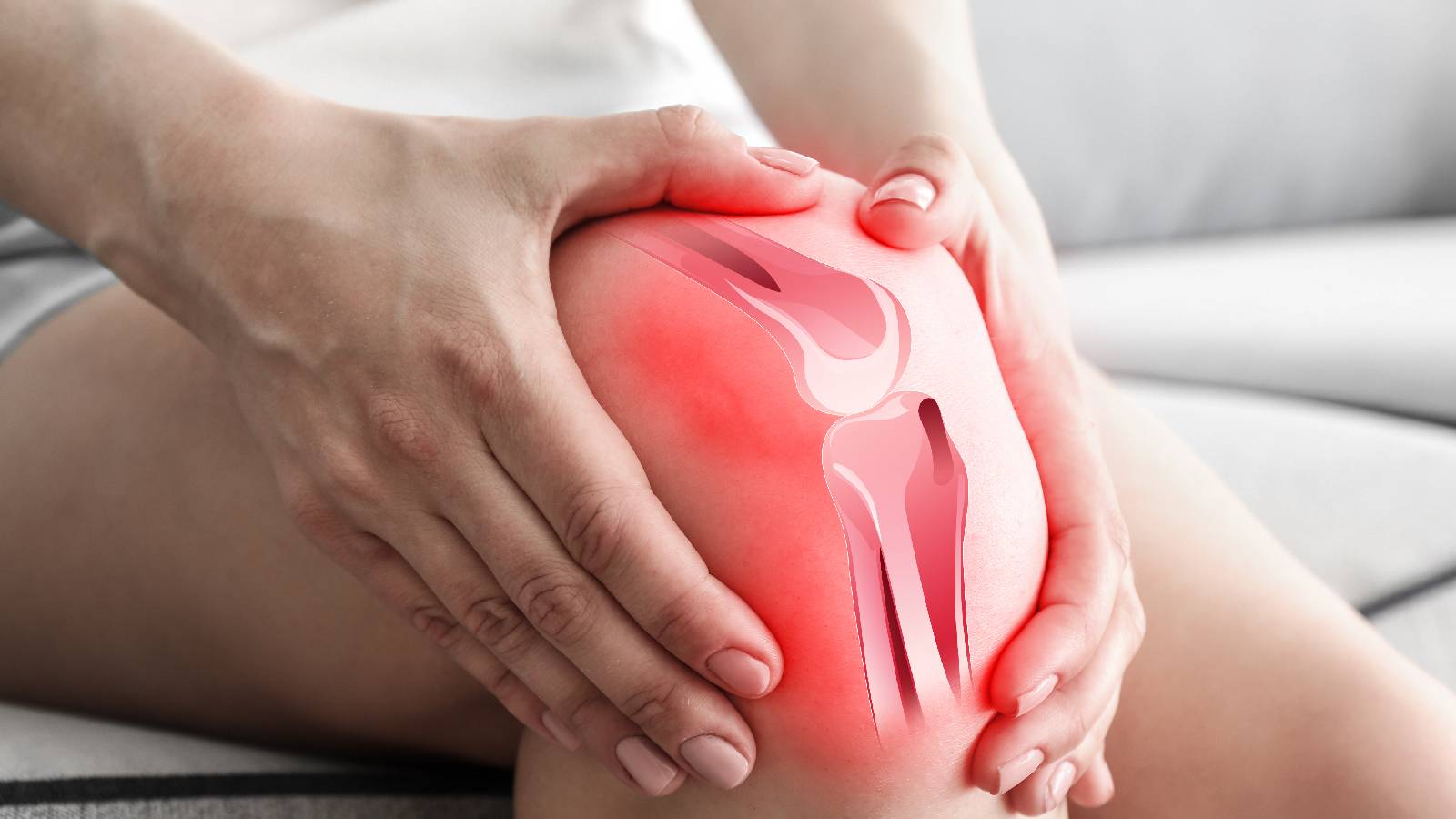
• Arthritis is a disease that causes damage in your joints, with over 100 different types of arthritis. The most common form, osteoarthritis, involves the wearing down of cartilage that cushions the ends of your bones, often resulting in pain, stiffness, and swelling. While arthritis can affect people of all ages, it becomes more common with age.
• Osteoporosis is a disease that weakens your bones and can progress without symptoms until a fracture occurs. It causes bones to become weak and brittle, increasing the risk of fractures, most commonly in the hip, spine, and wrist. Postmenopausal women, older adults, and people with a family history are at greater risk.
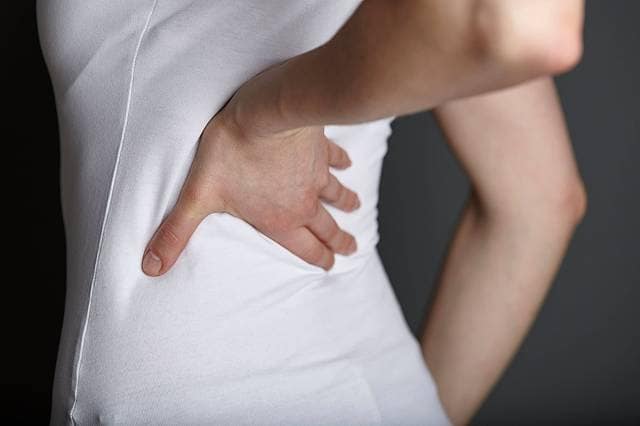
• Back/neck pain is a common cause of pain among adults and may be acute (lasting from days to six weeks) or chronic (lasting longer than three months). Back/neck pain may be caused by various health conditions, including muscle strains, spine disorders, and other injury/trauma. Frequent or persistent back/neck pain should be medically evaluated as a proper diagnosis is key to effective treatment and recovery.
Taking steps to protect your bones and joints
While some risk factors—like age and family history—are beyond our control, there are many proactive steps you can take to support bone and joint health:
• Stay active: Engage in regular physical activity. Low-impact exercises such as walking, swimming, yoga, and Tai Chi can help improve flexibility, strength, and balance while reducing stress on the joints.
• Maintain a healthy weight: Prevent carrying extra weight to limit additional pressure on joints, particularly in the hips, knees, and feet, that may accelerate joint wear and tear.
• Eat a bone-healthy diet: Focus on a balanced diet rich in calcium, vitamin D, vitamin K, and protein. Include foods with anti-inflammatory properties, such as berries, leafy greens, and fish high in omega-3s.
• Prevent falls: Take simple steps to help reduce your risk of falling, like improving home safety, wearing proper footwear, and addressing vision issues. Falls are a major cause of bone injuries, especially in older adults.
• Be mindful of habits: Pay attention to posture, ergonomics, and daily routines that might stress your bones and joints. Making small changes, such as using supportive chairs or taking regular breaks from sitting, can make a big difference over time.
If you are experiencing persistent joint pain, stiffness, swelling, or unexplained back pain, early diagnosis and treatment can help prevent further damage and improve quality of life.
At Cleveland Clinic, our team of orthopedic and musculoskeletal specialists offers a full range of services for the diagnosis and treatment of arthritis and other bone and joint conditions.
To make an appointment with this team, contact Cleveland Clinic by calling 877.463.2010 or visiting my.clevelandclinic.org/webappointment.
link